Industrial Wet
Scrubber
Manufacturer in India
Purpose-engineered wet scrubber systems for chemical fumes, acid gases, soluble contaminants and particulate-laden exhaust. Designed around your process conditions—not around a catalogue size.
Request an engineered quotation
Tell us what your process generates. Approximate values are welcome.
Trusted By Industry Leaders
A few of the brands we've grown alongside























Wet scrubbing, engineered around the pollutant.
Gas chemistry, loading, airflow, temperature and required outlet conditions determine the right configuration.
What is a wet scrubber—and how does it work?
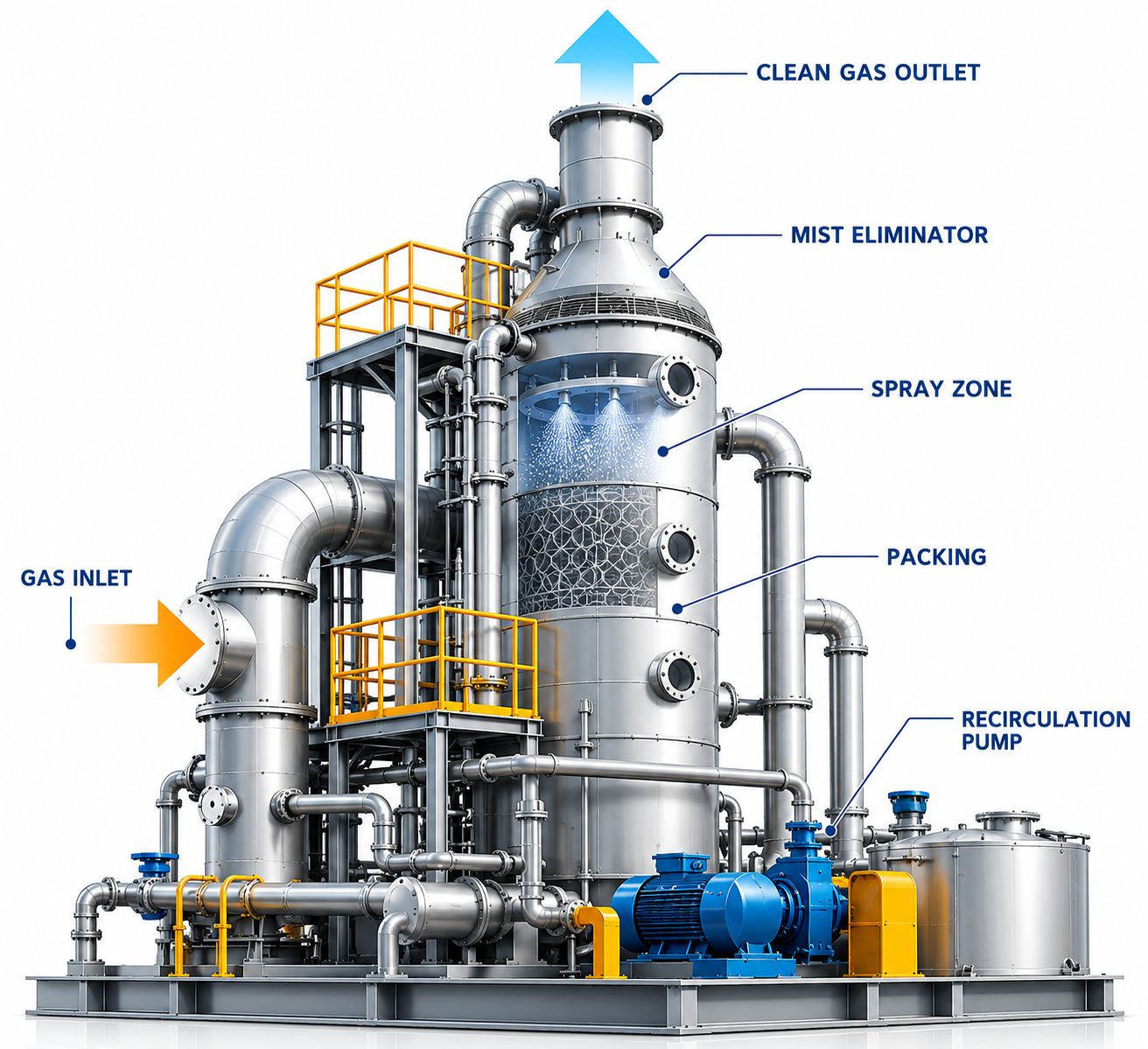
A wet scrubber is an air pollution control system that contacts contaminated exhaust with a liquid. Depending on the application, pollutants are transferred into the liquid by absorption, reacted with a suitable reagent, or captured when particles collide with liquid droplets.
For gas absorption, packed media can create a large wetted surface for gas–liquid contact. For particulate duty, a Venturi can accelerate the gas and atomize liquid into fine droplets to increase particle capture. A downstream mist eliminator removes entrained droplets before the treated gas leaves the system.
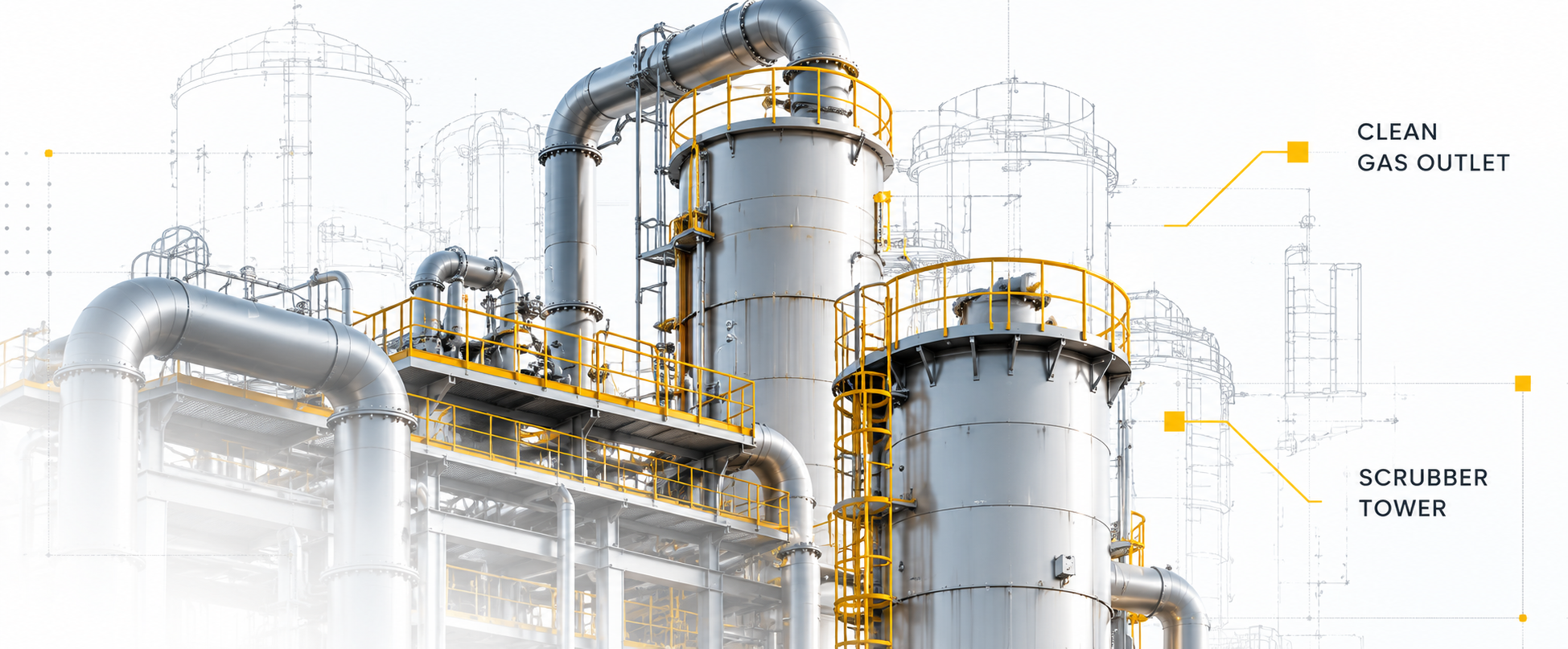
Wet scrubber
systems for different
emission challenges
NAPCEN's wet-scrubber portfolio is organized around the contaminant and process duty. Final selection should follow an engineering review of the actual exhaust stream.
Packed Bed Wet Scrubber
Large wetted packing area supports efficient gas-liquid contact for soluble and reactive gaseous contaminants. Available as a process-specific absorption system with recirculation and mist elimination.
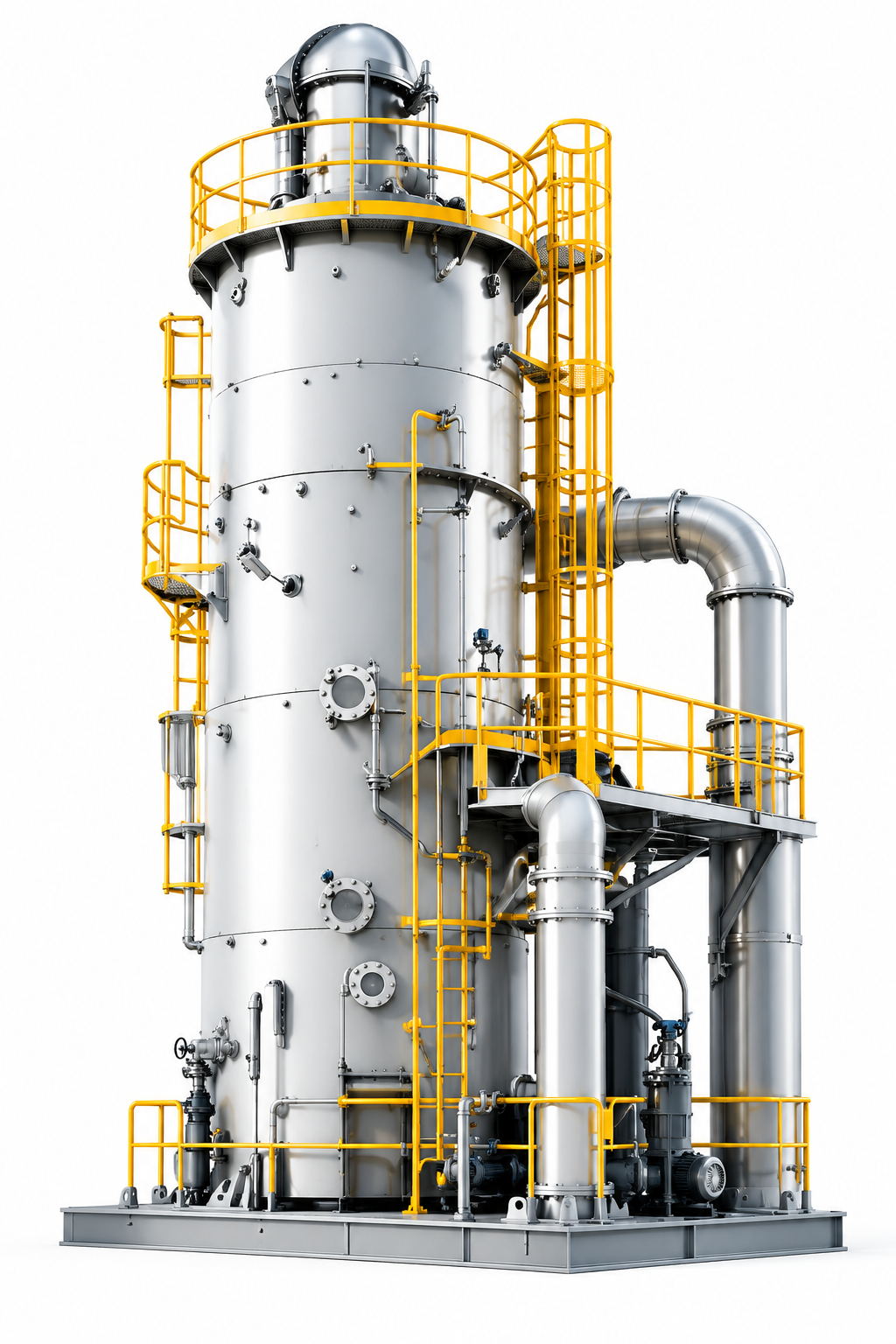
Venturi Scrubber
High-velocity throat contact atomizes scrubbing liquid and promotes particle-droplet interaction. Suitable where particulate capture and robust wet handling are central to the duty.
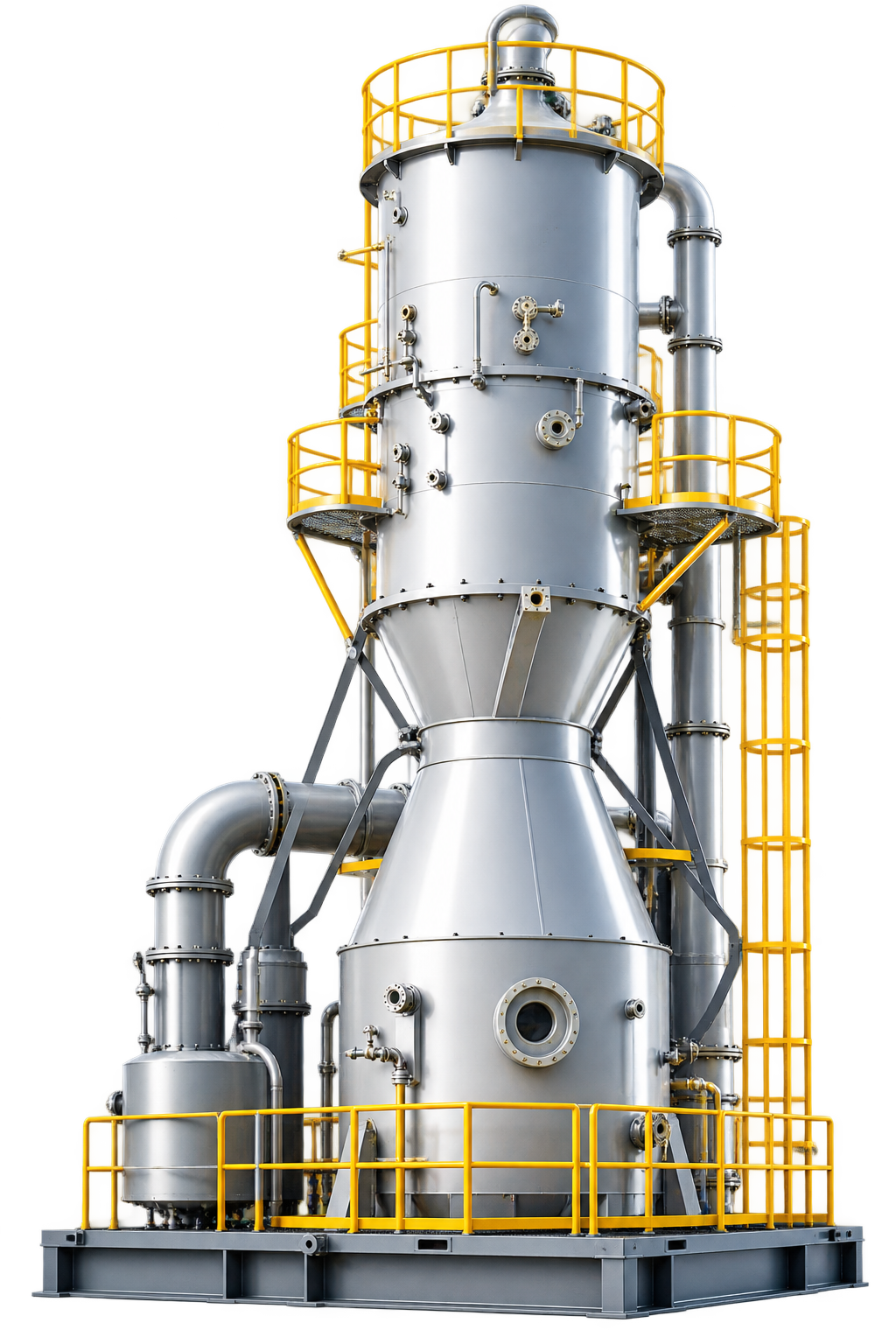
HCl / Acid Fume Scrubber
Engineered for corrosive acid-gas service with suitable absorbent chemistry, liquid distribution and corrosion-resistant material selection based on process conditions.
.png)
Chlorine Scrubber
Process-specific scrubbing systems for chlorine-bearing exhaust or vent streams, designed around expected release scenario, gas load, chemistry and required treatment duty.
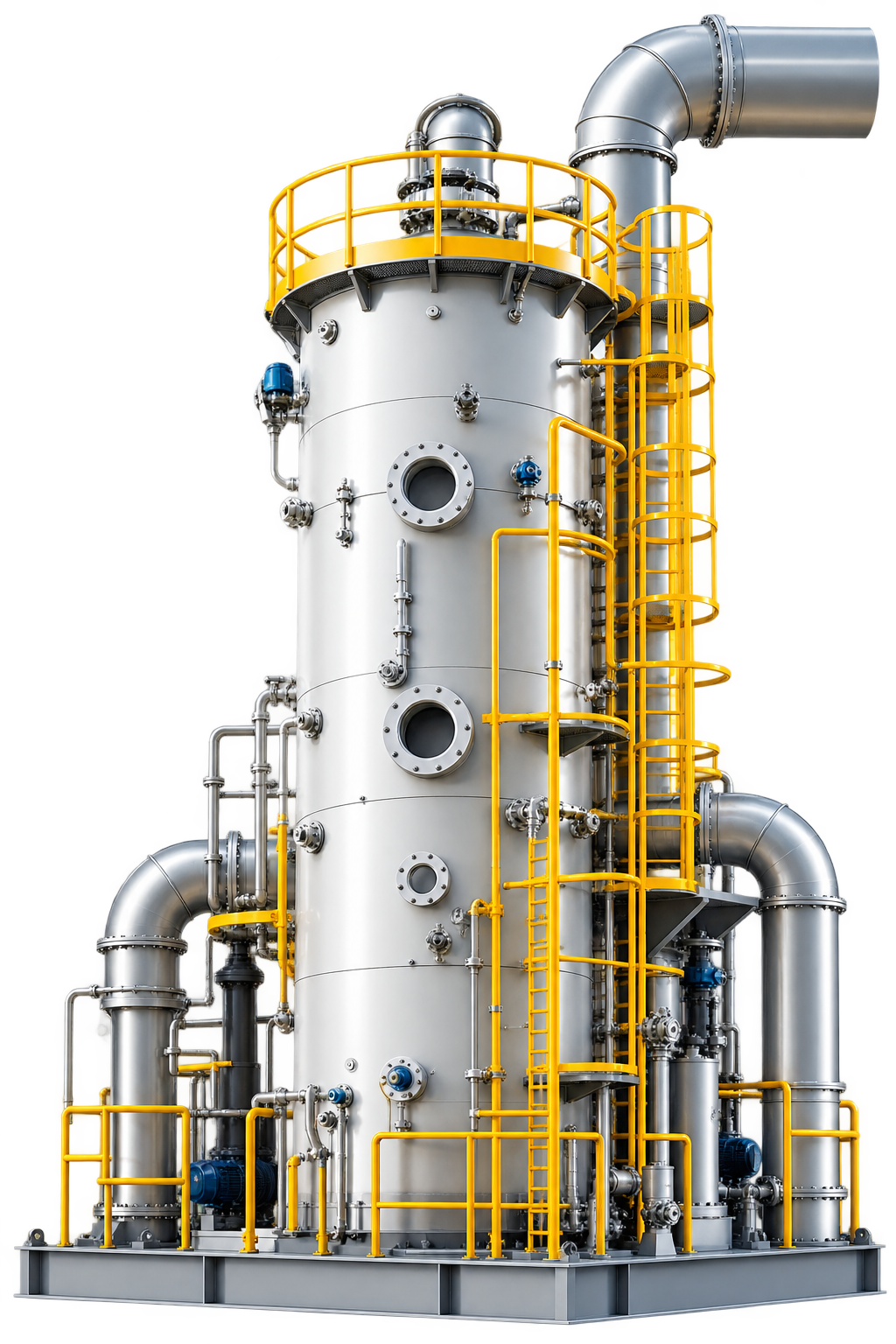
Vent Gas Scrubber
Custom treatment for tank vents, process vessels and intermittent or continuous gaseous emissions where pollutant solubility and chemistry favour wet absorption.
.png)
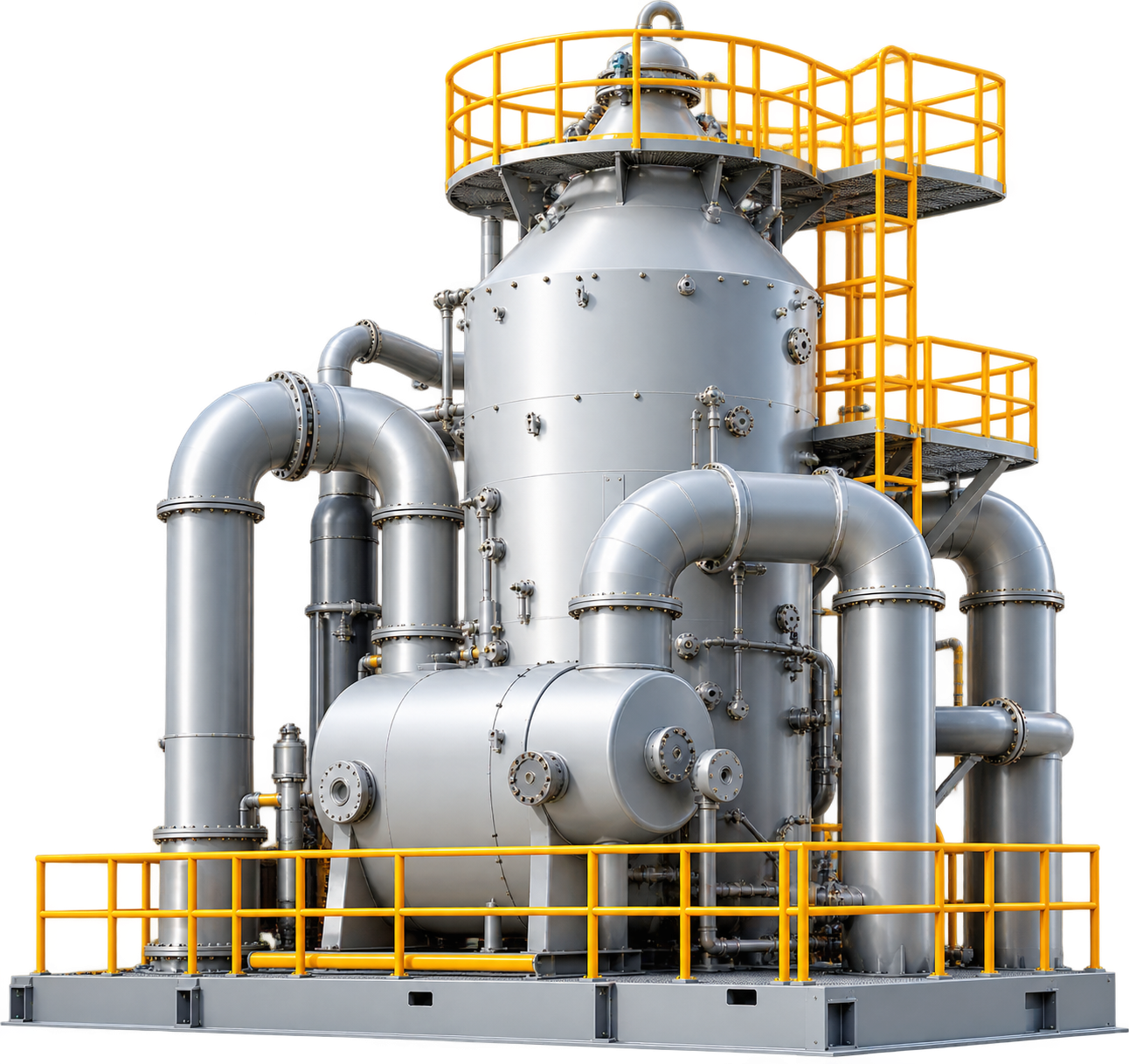
Incinerator Wet Scrubber
Wet treatment arrangements for suitable incinerator exhaust duties, configured around inlet temperature, pollutant mix, particulate loading and downstream liquid management.
From process data
to a complete wet scrubber system
A good scrubber starts with correct process information. Our workflow is structured around your actual emission-control requirement.
Process Study
Understand source, pollutant and operating conditions.
Design Basis
Establish airflow, concentration and target limits.
Scrubber Selection
Choose the suitable gas-liquid contact technology.
Engineering
Size tower, packing, nozzles, pump and accessories.
Fabrication
Manufacture with suitable construction materials.
Support
Installation guidance, commissioning and service support.
Engineering starts
with the exhaust
stream.
A credible wet scrubber design cannot be selected from airflow alone. NAPCEN's application review considers pollutant chemistry, concentration, temperature, particulate characteristics, moisture, target outlet condition, available utilities and material compatibility.
Airflow & gas conditions
Actual/standard flow, temperature, pressure, humidity and process variability.
Pollutant characterization
Gas species, concentration, particulate loading and particle size where relevant.
Absorbent & chemistry
Water or reagent selection, pH strategy and expected reaction/absorption behaviour.
Hydraulics & internals
Liquid distribution, packing or throat design, mist elimination and recirculation.
Materials & lifecycle
Construction selected for temperature, corrosion environment, mechanical duty and maintenance access.
Typical engineering inputs
Key parameters used for wet scrubber design & performance evaluation.
*Instrumentation depends on process and control philosophy. Final performance is established from approved design basis and operating conditions.
Wet scrubbing for demanding industrial processes
Wet scrubbers can serve a broad range of industrial exhaust duties when pollutant properties, process conditions and treatment chemistry are compatible with wet collection.

Chemical Processing
Acid fumes, soluble gases, process vents and reaction exhaust.

Metal Processing
Pickling, surface treatment and suitable acid-mist or chemical-fume duties.

Mining & Minerals
Wet particulate capture for appropriate crushing, handling or process exhaust.

Pharmaceuticals
Selected process fumes and chemical exhaust requiring controlled treatment.

Incineration
Selected hot-gas treatment arrangements based on exhaust composition and temperature.

Oil & Gas
Selected process vents and soluble/reactive gas duties after application assessment.

Paint & Coatings
Process-specific exhaust treatment after contaminant and solvent review.

Electronics
Process exhaust where compatible soluble or reactive gases require scrubbing.
Wet scrubbers for gases, fumes,
vapors and particulate emissions
Actual removal performance depends on the pollutant, concentration, gas flow, temperature, chemistry and equipment design. Ask NAPCEN for an application-specific assessment.
Designed for
controllability,
maintainability and
process fit
Good wet-scrubber performance depends on stable operating parameters and maintainable gas–liquid contact—not on a single headline efficiency figure.
Application-specific configuration
Packed bed, Venturi or other wet-contact arrangement selected against pollutant behaviour and process duty.
Corrosion-conscious construction
Material selection can be matched to gas chemistry, scrubbing liquid, temperature and mechanical requirements.
Process monitoring
Pressure differential, liquid flow and chemistry-related parameters can be incorporated according to the control philosophy.
Mist elimination
Entrainment control helps retain contaminated droplets in the system before treated gas discharge.
Maintenance-oriented layout
Access to pumps, nozzles, packing and mist eliminator can be considered during equipment arrangement.
Complete system approach
Scrubber, recirculation, ducting, fan and controls can be coordinated as one engineered pollution-control system.
A disciplined route from process data
to operating system
Project scope can be configured around the customer's requirement. The sequence below shows a typical engineering workflow rather than a fixed contractual scope.





Industrial air
pollution control
engineering from
Puducherry, India
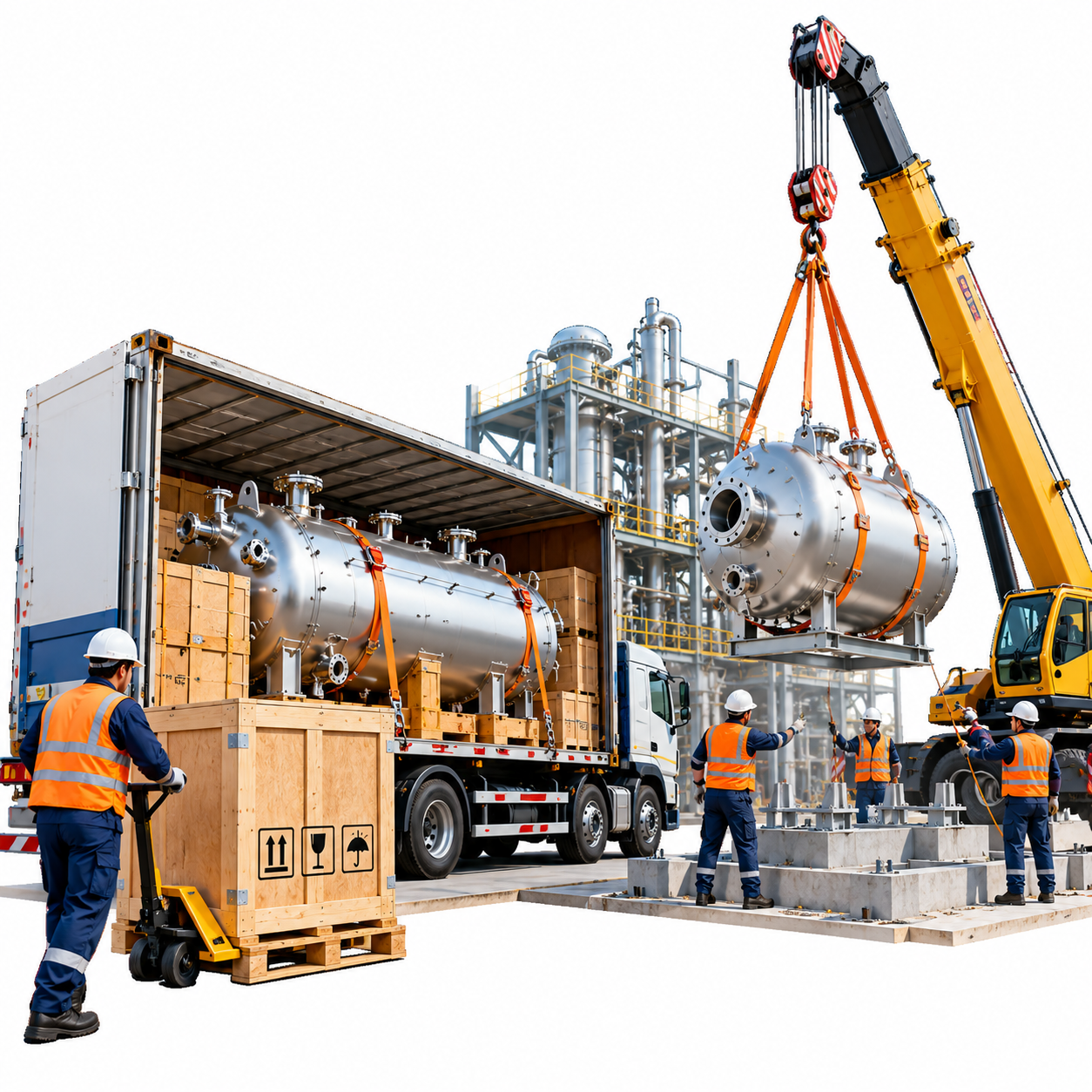
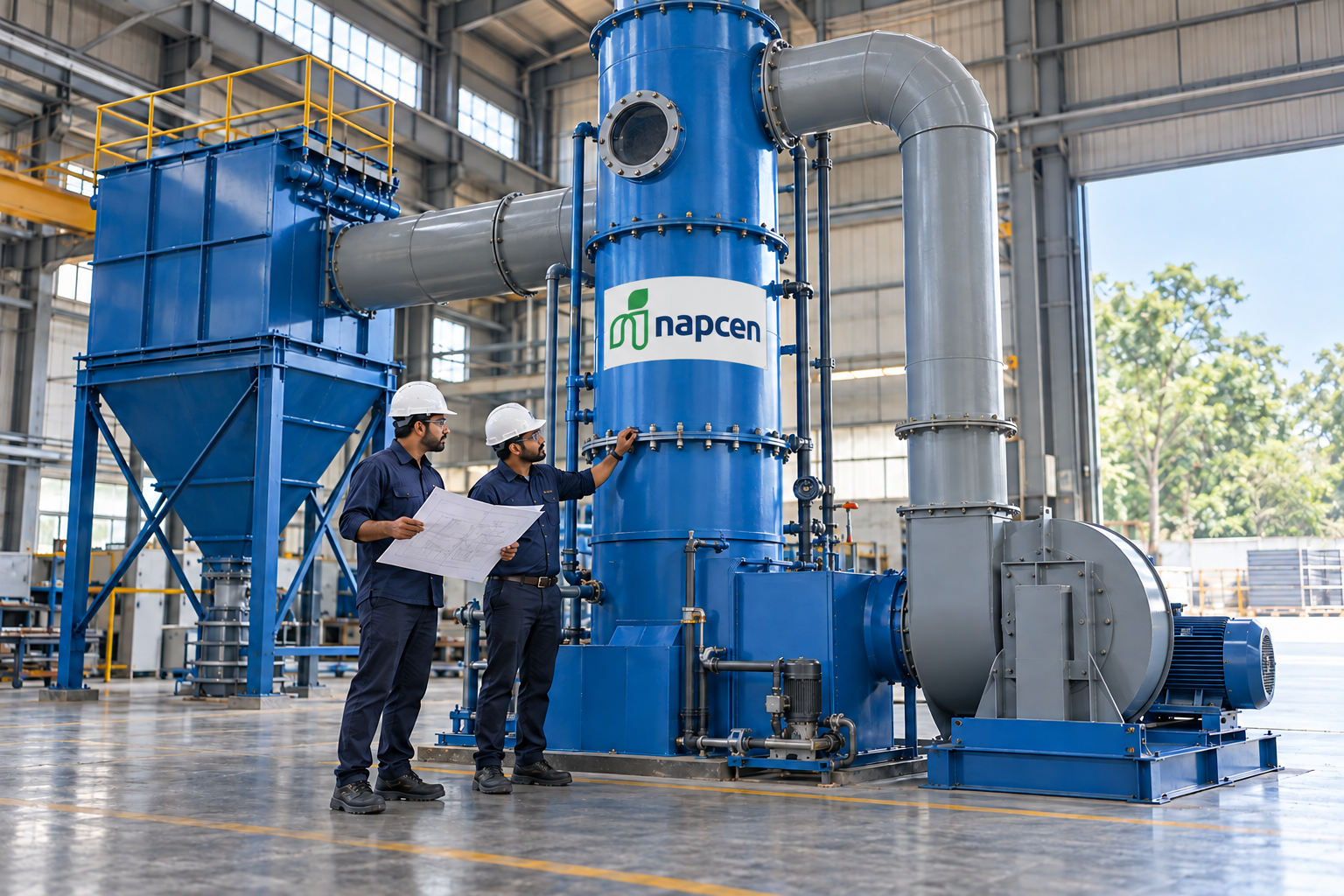
NAPCEN specializes in industrial air filtration and pollution-control systems for dust, fumes, corrosive gases, toxic vapours, oil mist, odours and other airborne contaminants. Its wider equipment portfolio includes wet and dry scrubbers, dust collectors, fume extraction systems and related air-pollution-control solutions.
For wet-scrubber projects, the focus is on matching equipment configuration to the actual emission stream and integrating the scrubber with the surrounding duct, fan, recirculation and control requirements.
Quality is built into
the design basis—
not added at dispatch.
Wet-scrubber quality starts with correct process inputs, compatible materials and fabrication against approved drawings. Inspection and testing should match the equipment material, service and agreed project documentation.
Design review
Process duty, configuration, interfaces and maintainability reviewed before fabrication.

Material verification
Construction materials checked against the approved design and chemical-service requirements.

Fabrication inspection
Dimensional, workmanship and equipment-specific checks performed according to project requirements.

Engineering-led air pollution control
Application-Based Design
Scrubber selection and sizing are based on process conditions rather than simply choosing a standard unit.
Corrosion-Aware Materials
Construction materials and internal components can be selected to suit chemical exposure and operating conditions.
Complete Air Pollution Control
Connect the scrubber with ducting, pumps, fans, mist eliminators and other required system components.
Maintenance Focus
Access, nozzles, packing, pumps and operating parameters are considered for practical maintenance.
Site-Specific Engineering
Equipment can be developed around available space, inlet and outlet ducting, utilities and installation conditions.
Technical Support
Get assistance from enquiry and design through fabrication, installation guidance and after-sales support.
Wet scrubber testimonial
GFC Recycling
Wet Scrubber · Testimonial excerpt
We are very satisfied with NAPCEN's wet scrubber. It delivers excellent performance in controlling fumes and gases, helping us achieve a cleaner and safer working environment.

Serving industrial projects across major manufacturing regions
NAPCEN's main website identifies service/location coverage across major Indian industrial markets. Project feasibility, delivery and site scope should be confirmed for each enquiry.
Searching for a wet scrubber supplier?
For a meaningful proposal, send more than an airflow figure. The fastest route to a technically useful discussion is to include:
Questions engineers and buyers ask before selecting a scrubber
Selection depends on the emission stream. These answers provide a starting point; final equipment design requires project-specific data.
Need industrial air
pollution control equipment?
Start a technical discussion with NAPCEN engineers. We analyze your process to provide the most effective pollution control solution.
Puducherry, India - 605110
Request a quotation
Provide your process specifications, and our engineers will evaluate the requirements for a customized solution.
Get my quotationEnquiry data & privacy
This preview processes form values in your browser to prepare a message. It does not upload or store your form entries on this website. If you choose WhatsApp or email, the information you review is passed to that service when you open it and sent to NAPCEN only when you confirm Send. Contact info@napcen.com about handling of enquiries. No advertising conversion tag is installed in this preview.